The Science Behind Fast Charging: How It Benefits Your Phone
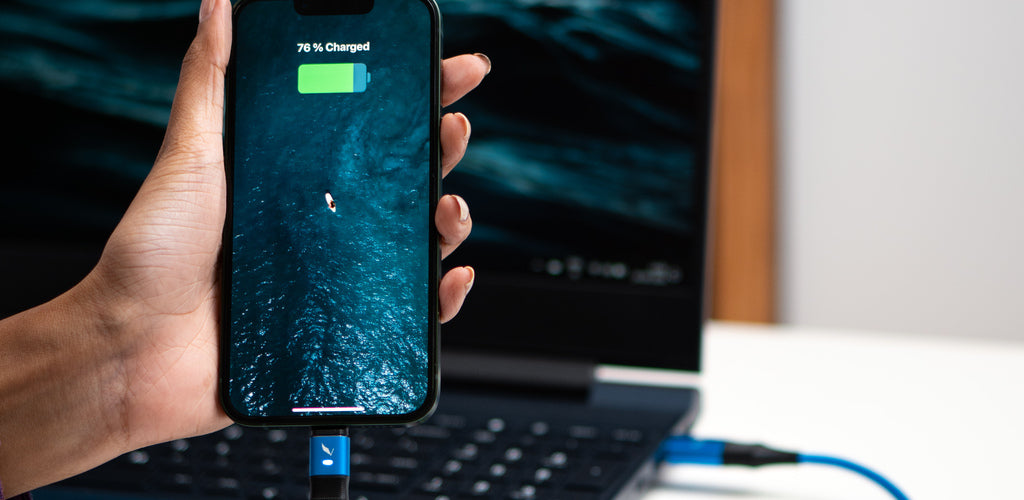
The science behind fast charging lies in the ability to increase the current flowing into a device while maintaining the voltage stable. This advanced technology utilizes higher power levels than traditional charging methods, allowing devices to reach full capacity more swiftly. Specifically, fast chargers often employ protocols such as Quick Charge or Power Delivery that dynamically adjust the power output based on the device's capabilities, ensuring optimal charging efficiency. As a result, this means less time tethered to a charger, which is particularly beneficial for users with busy lifestyles.
In addition to saving time, fast charging can also enhance the overall user experience by reducing downtime. As smartphones continue to integrate more advanced features and applications, the demand for battery life and charging speed has never been higher. By utilizing fast charging, users can quickly top off their devices during short breaks, leading to increased productivity. However, it is essential to use compatible chargers to avoid potential damage or overheating. Ultimately, understanding how fast charging benefits your phone empowers users to make informed decisions about their charging habits.
Counter-Strike is a highly popular team-based first-person shooter game that has garnered a massive following since its release. Players engage in tactical combat, choosing to play as terrorists or counter-terrorists in various game modes.
The game emphasizes teamwork, strategy, and skill, making it a staple in competitive gaming. For those interested in adding convenience to their gaming sessions on the go, check out the Top 10 iPhone car chargers to keep your devices powered.
Is Fast Charging Damaging Your Battery? Debunking the Myths
Fast charging has become a popular feature in modern smartphones and devices, but many users are concerned about its impact on battery health. A common myth is that fast charging damages your battery significantly more than regular charging. However, most manufacturers design their devices to handle rapid power delivery without harming the battery. In fact, many high-end smartphones come equipped with advanced thermal management systems and charging algorithms that help minimize potential risks. These technologies ensure that the battery only draws as much power as it can safely handle, which is why fast charging has gained traction among consumers.
Another misconception surrounding fast charging is that it shortens the lifespan of your battery. While it is true that all lithium-ion batteries wear out over time, the impact of fast charging on battery longevity is often overstated. The key factors affecting battery life include temperature, charge cycles, and overall usage patterns. To maximize battery health, users can adopt practices such as avoiding extreme temperatures, using quality chargers, and not letting the battery deplete completely before recharging. By following these guidelines, you can enjoy the convenience of fast charging without the fear of significant damage to your device's battery.
The Ultimate Guide to Maximizing Your Phone's Lifespan with Fast Charging
In today's fast-paced world, having a phone that lasts is more essential than ever. To maximize your phone's lifespan, understanding fast charging technology can make a significant difference. By using compatible chargers and ensuring you don’t use your device while it’s charging, you can prevent unnecessary strain on the battery. Additionally, consider the following tips on how to harness fast charging effectively:
- Always use the manufacturer-recommended charger.
- Avoid charging in extreme temperatures.
- Disconnect your phone once it hits 100%.
Moreover, utilizing fast charging wisely not only enhances efficiency but also extends battery life. Fast charging can help reduce the time your phone spends plugged in, which in turn minimizes heat generation—a leading cause of battery degradation. Incorporating practices like scheduled charging times and regular software updates can further optimize your phone’s performance. Remember, small changes in your charging habits can lead to substantial improvements in your device’s longevity and reliability.