Understanding Fast Charging: The Technology Behind the Speed
Understanding Fast Charging involves delving into the innovative technology that powers the speed at which your devices can charge. Fast charging leverages advanced methodologies, including high-voltage and high-current delivery systems, enabling devices to receive more energy in less time. Typically, conventional chargers operate at a lower voltage, often around 5V, whereas fast charging can escalate to levels like 9V or even 20V, allowing batteries to accept higher amounts of power without compromising safety or performance.
Key technologies fueling this rapid charging capability include Quick Charge from Qualcomm, Power Delivery (PD), and proprietary solutions from various smartphone manufacturers. For instance, Quick Charge utilizes a unique communication protocol that manages the power flow dynamically, while PD focuses on delivering varying power levels based on the device's needs. These systems not only ensure faster charging times but also extend the lifespan of the batteries by preventing overheating and optimizing energy transfer.
Counter-Strike is a popular tactical first-person shooter game that has garnered a massive following since its initial release. Players can engage in team-based gameplay, where they can choose to be part of the terrorists or counter-terrorists, working to complete objectives such as bomb planting or hostage rescue. Alongside the competitive gameplay, players can also find essential tech accessories. For instance, if you're looking for efficient ways to charge your devices, check out the Top 10 Wireless Chargers for Pixel Devices to keep your gaming gear powered up.
The Future of Electric Vehicles: How Fast Charging is Shaping Mobility
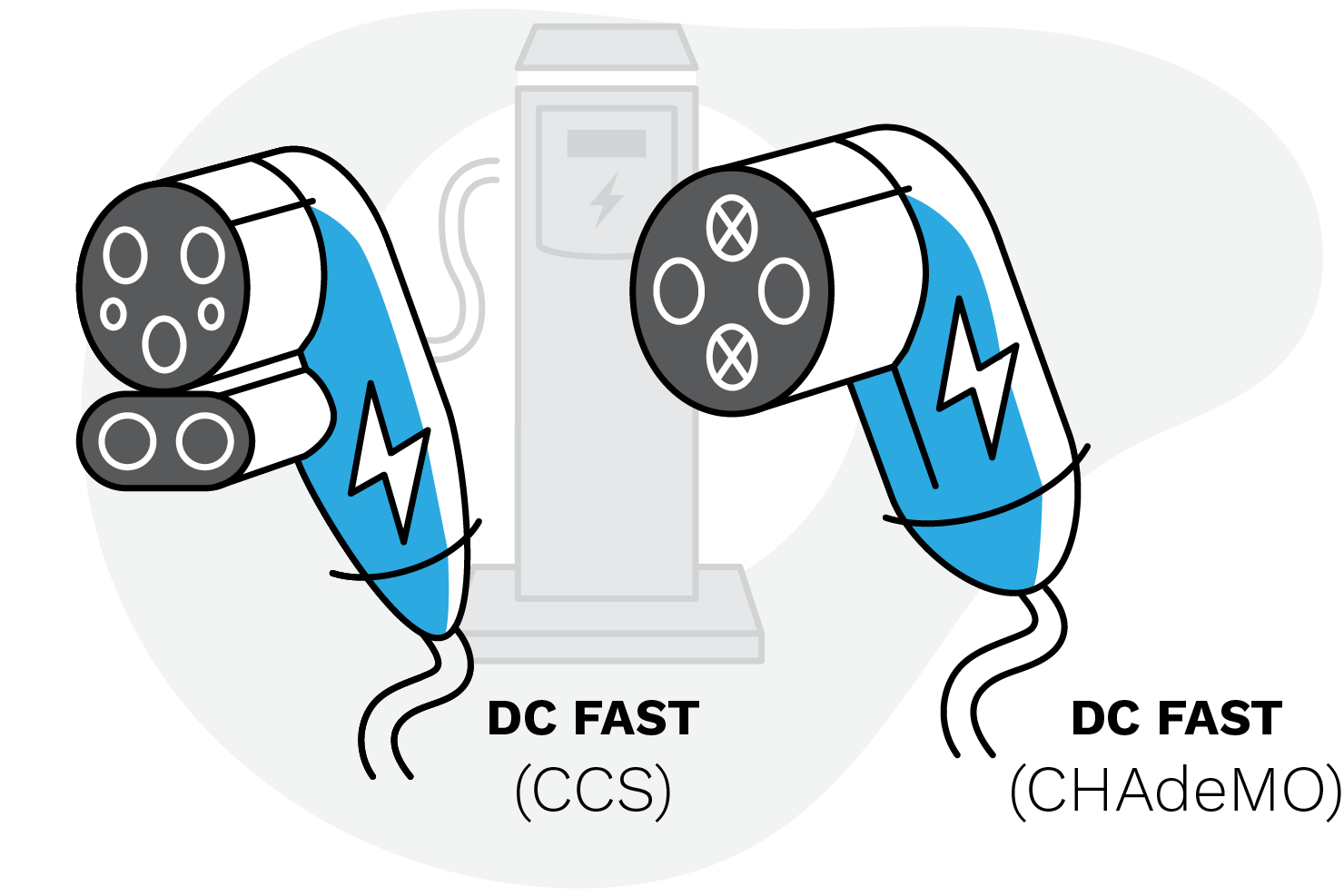
The future of electric vehicles (EVs) is heavily influenced by the rapid advancement of fast charging technologies. As the demand for sustainable transportation grows, charging infrastructure must keep pace to support a more extensive network of EVs on the road. Fast charging stations are being strategically installed in urban areas and along major highways, significantly reducing charging times from hours to mere minutes. This evolution not only enhances the convenience for users but also addresses the common range anxiety associated with electric cars. By 2030, experts predict that a robust network of fast chargers will enable electric vehicles to become a preferred choice for long-distance travel, making them an integral part of our daily mobility.
Moreover, the rise of fast charging is closely linked to technological innovations like battery management systems and ultra-fast charging solutions. These advancements are paving the way for electric vehicles to support new applications, including public transportation and freight logistics. As battery technology continues to improve, the capacity and longevity of EV batteries will expand, further contributing to the future of electric vehicles. In addition, governments and private sectors are investing heavily in research and development to ensure a seamless transition to a zero-emission future, underlining the importance of fast charging in shaping the future of mobility and sustainability.
Fast Charging vs. Traditional Charging: What You Need to Know
In today's fast-paced world, fast charging technology has become a game-changer for consumers relying on their devices. Unlike traditional charging methods, which can take several hours to fully recharge your device, fast charging significantly reduces that time, allowing you to power up your smartphone, tablet, or laptop in a fraction of the time. With the rise of fast charging capabilities, many brands now include this feature in their latest products, making it imperative for users to understand how it works and the advantages it offers.
However, it is essential to weigh the pros and cons of fast charging versus traditional charging. While fast charging can quickly boost your battery, some experts argue that it may lead to long-term battery wear if used excessively. On the other hand, traditional charging methods, while slower, can be gentler on your battery's lifespan, allowing it to maintain optimal performance over time. Ultimately, understanding the distinctions between fast charging and traditional charging can help you make informed choices about how to keep your devices powered efficiently.