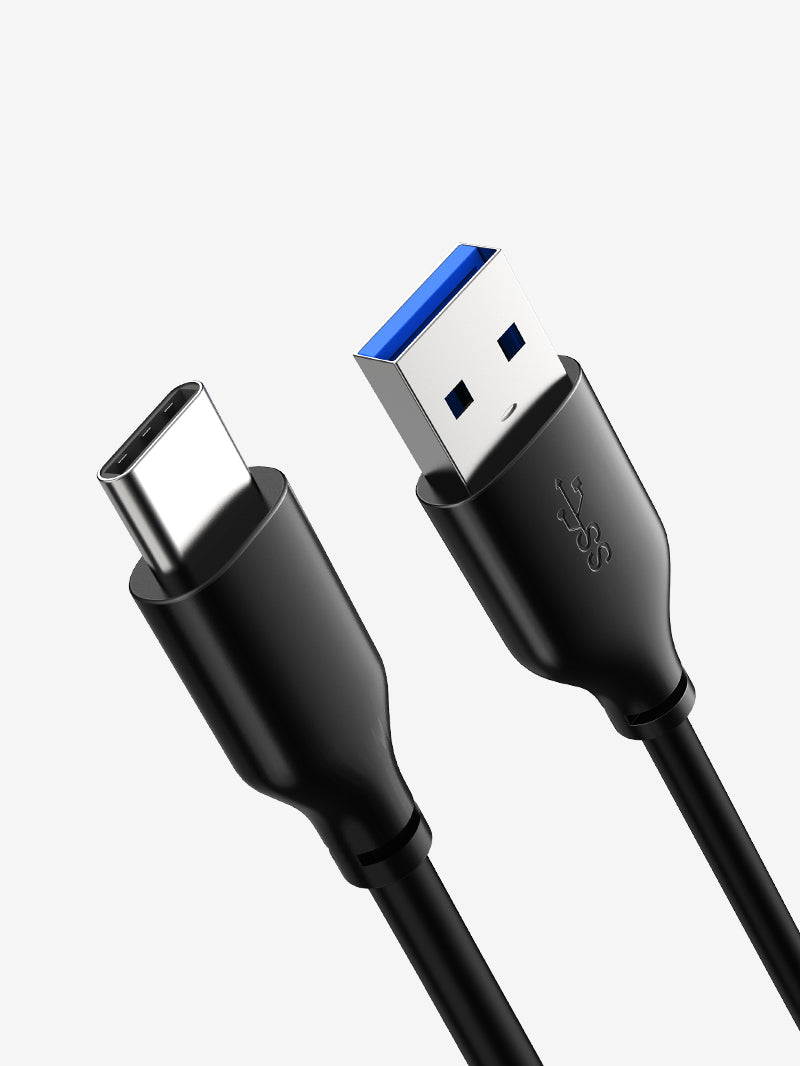
The Rise of USB-C: Why Your Gadgets Prefer It Over Other Cables
The shift towards USB-C has been a significant development in the world of technology, offering a range of benefits that other cables simply cannot match. One of the primary advantages of USB-C is its versatility; it can transmit data, video, and power all through a single connector. This means that users can enjoy a streamlined experience with fewer cables cluttering their spaces. Moreover, the reversible design of the USB-C connector eliminates the frustration of trying to plug in a cable the right way, making it a user-friendly option. As more devices—from smartphones to laptops—adopt this technology, consumers are increasingly discovering the convenience of having a single type of cable for multiple purposes.
Another compelling reason why gadgets prefer USB-C over other cables is its rapid charging capabilities. Thanks to the higher power output that USB-C can handle, devices can charge significantly faster, which is a crucial factor in today's fast-paced lifestyle. For instance, many laptops equipped with USB-C ports can achieve full battery charges in under two hours, drastically reducing downtime. Additionally, as the tech industry evolves, we can expect more innovations centered around USB-C, making it not just a trend, but a staple for modern electronic devices.
Counter-Strike is a highly popular first-person shooter game series that has captivated gamers around the world. Players can engage in intense multiplayer matches where teams of terrorists face off against counter-terrorists in strategic gameplay. For those interested in enhancing their gaming experience, you might also be interested in Top 10 Accessories for Coding with MacBook to ensure you have the right tools and setup.
Are Your Devices Cheating on You? The USB-C Love Affair Explained
The rise of USB-C connections in our everyday devices has sparked a love affair among tech enthusiasts. Once considered a mere convenience, USB-C has now established itself as the standard for charging and data transfer across a variety of gadgets, from smartphones to laptops. Unlike its predecessors, this versatile connector offers faster speeds and more power, making it the go-to choice for many users. However, one must ask: are our devices truly as compatible as they claim to be? Compatibility issues, despite the universal aspect of USB-C, can arise due to differences in specifications, leading to a scenario where your device might be 'cheating' on you if you aren't careful about the cables and accessories you're using.
Moreover, the USB-C love affair isn't just about functionality; it also plays a role in the aesthetics of our devices. With its sleek and reversible design, users are increasingly drawn to the practicality and elegance of USB-C. However, while it simplifies connections, it can also create confusion with an abundance of non-standard cables flooding the market. You may find yourself wondering if your device is giving you the best possible performance or if it's time to break up with subpar accessories. In this evolving landscape, staying informed about USB-C specifications and requirements is crucial for ensuring your devices remain faithful to you.
USB-C vs. The World: Why This Connector Is Winning the Hearts of Tech Lovers
The USB-C connector is rapidly becoming the industry standard for a wide range of devices, thanks to its versatility and efficiency. Unlike its predecessors, USB-C boasts a reversible design that makes it incredibly user-friendly; you no longer have to fumble with the orientation when plugging in your cable. This innovation not only enhances convenience but also supports a variety of functionalities, allowing for faster data transfer rates and higher power delivery. As more manufacturers adopt this technology across laptops, smartphones, and peripherals, the USB-C connector is setting a new benchmark in connectivity that is hard to ignore.
Moreover, the growing ecosystem around USB-C has prompted tech lovers to embrace this new standard wholeheartedly. With an increasing number of accessories, adapters, and devices that utilize USB-C, consumers are not only investing in new tech; they are also reducing the need for multiple cables and chargers that clutter their lives. Additionally, its compatibility with protocols like Thunderbolt 3 and DisplayPort means that users can enjoy high-resolution displays and rapid data speeds without compromise. As a result, USB-C is not just a connector; it represents a movement towards a more unified and efficient approach to technology.