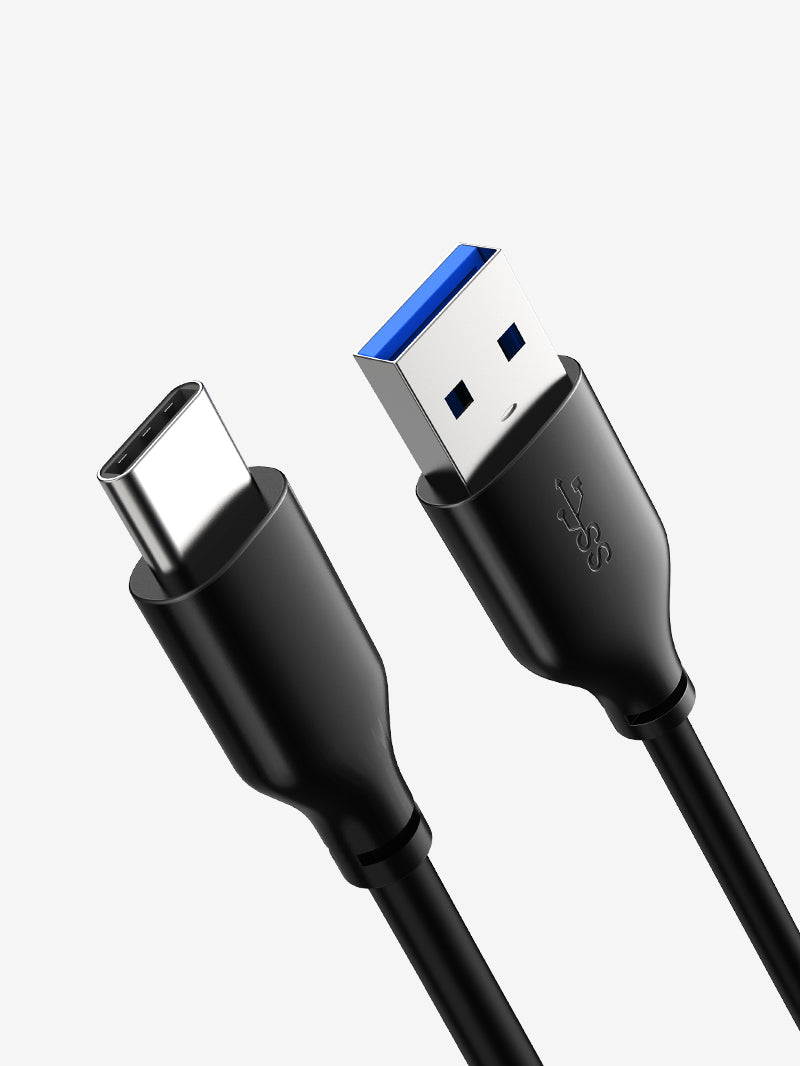
The Rise of USB-C: Why It's Redefining Connectivity
The rise of USB-C has significantly reshaped how we perceive connectivity in our everyday devices. Unlike its predecessors, USB-C offers a universal standard that enhances simplicity and efficiency. With its reversible design, users can plug in their devices without the hassle of orientation, promoting ease of use. Its capabilities extend beyond mere data transfer; USB-C supports higher power delivery and faster data rates, making it ideal for charging laptops, smartphones, and other peripherals. As more manufacturers adopt this standard, the need for multiple cables and adapters is swiftly becoming a thing of the past.
Furthermore, the USB-C connector is not just about convenience; it also opens the door to a myriad of possibilities in the tech landscape. According to industry reports, over 70% of electronic devices are expected to adopt USB-C by 2025. This change means that users can enjoy seamless interoperability across devices, whether they are connecting a smartphone to a monitor or charging a tablet using the same cable. As this trend continues, consumers can anticipate improvements in device compatibility and a reduction in electronic waste, demonstrating that USB-C is not just a new connector, but a step towards a more connected and sustainable future.
Counter-Strike is a popular team-based first-person shooter game that has captivated players since its initial release in 1999. It emphasizes teamwork, strategy, and skill, with players choosing to play as terrorists or counter-terrorists in various game modes. For those looking to enhance their gaming experience, check out these Top 10 MacBook docks that can help you set up the perfect gaming station.
USB-C vs. Other Ports: What You Need to Know
In recent years, USB-C has emerged as a versatile and widely adopted connection standard, often praised for its advantages over other ports like USB-A and Lightning. USB-C supports a range of functionalities, including data transfer, video output, and power delivery, all through a single cable. This multi-functionality not only simplifies your tech setup but also reduces cable clutter. For instance, devices such as laptops, smartphones, and tablets now increasingly rely on USB-C ports, replacing older standards that serve more limited purposes.
When comparing USB-C to other ports, it's essential to consider compatibility and speed. While USB-A remains widely used, its lack of reversible design and slower power delivery pales in comparison to USB-C. Furthermore, the Lightning port, primarily utilized by Apple devices, does not support the same level of universality and functionality as USB-C. As you explore your options, keep in mind these crucial factors:
- Data transfer speeds
- Power delivery capabilities
- Device compatibility
5 Common Questions About USB-C Explained
USB-C, or Universal Serial Bus Type-C, is a versatile connection standard that has gained widespread popularity in recent years. Many users have questions about its functionality and benefits. Here are five common questions about USB-C explained:
- What is USB-C? USB-C is a small, reversible connector that supports not only data transfer but also power delivery and video output. This means you can use a single cable for charging your device, connecting it to an external display, and transferring files.
- Is USB-C backward compatible? While USB-C itself is not directly backward compatible with older USB standards, you can use adapters to maintain compatibility. This allows you to connect your USB-C device to USB-A, USB-B, and other types of ports.
- How fast is USB-C? The speed of USB-C can vary depending on the version. USB 3.1 can offer speeds up to 10 Gbps, while USB 4 can reach theoretical speeds of up to 40 Gbps, making it significantly faster than previous USB generations.
- Can USB-C charge devices? Yes, USB-C supports a feature called Power Delivery (PD), allowing it to deliver higher wattage for charging larger devices such as laptops, in addition to smartphones and tablets.
- Are all USB-C cables the same? Not all USB-C cables are created equal. Some may only support data transfer, while others might support power delivery or video output. Always check the specifications to ensure you’re getting the right cable for your needs.