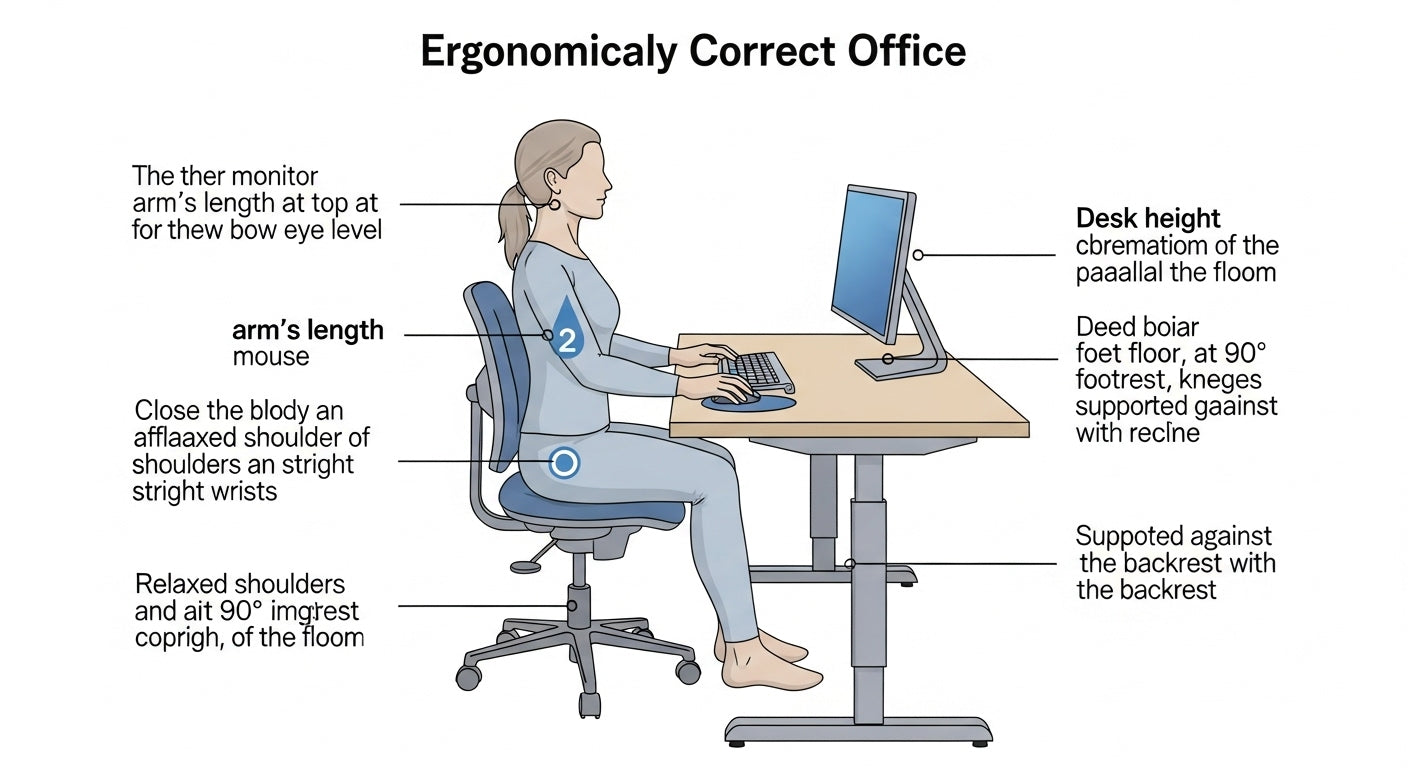
Is Your Office Chair Sabotaging Your Posture? Discover the Hidden Dangers
Many people underestimate the impact of their office chair on overall posture. A poorly designed chair can lead to a range of issues, from minor discomfort to severe back problems. If you find yourself slouching or frequently adjusting your seating position, it may be a sign that your chair is sabotaging your natural alignment. Look for signs of discomfort, such as neck pain or lower back strain, which could indicate your chair lacks the necessary support and ergonomic features to maintain healthy posture.
To protect your posture and overall health, consider investing in an ergonomic office chair. When evaluating your seating options, prioritize features like adjustable height, lumbar support, and seat depth. Here are some key factors to keep in mind:
- Adjustability: Ensure that you can customize your chair to fit your unique body shape.
- Support: Look for chairs that offer adequate lumbar support to encourage proper spinal alignment.
- Material: Choose breathable fabrics to enhance comfort during long hours of work.
By making the right choice, you can help alleviate strain on your body and improve your productivity.
Counter-Strike is a highly popular first-person shooter game that has captivated players since its inception in the late 1990s. It emphasizes teamwork and strategy, where players engage in thrilling matches between terrorists and counter-terrorists. For those looking to enhance their gaming setup, check out the Top 10 Adjustable Tablet Stands for a more comfortable gaming experience.
The Science Behind Office Chairs: Are They Really Bad for Your Back?
The debate over whether office chairs are truly bad for your back is deeply rooted in the science of ergonomics. Numerous studies suggest that prolonged sitting in non-ergonomic office chairs can lead to various spinal issues, including chronic back pain. According to the American Chiropractic Association, sitting for long durations can place a significant strain on the spine, especially if the chair lacks proper lumbar support. Here are some common problems associated with poor chair design:
- Poor posture
- Increased pressure on spinal discs
- Muscle fatigue and tension
However, it's essential to recognize that not all office chairs are created equal. Ergonomically designed chairs can promote a healthier sitting posture and reduce the risk of back pain. Features such as adjustable seat height, lumbar support, and reclining capabilities can significantly improve comfort during prolonged use. Additionally, incorporating regular movement and short breaks into your workday can mitigate the negative effects of sitting. Ultimately, the right office chair combined with a proactive approach to your work habits may help you maintain a healthy back.
How to Choose an Office Chair That Supports Your Spine, Not Betrays It
Choosing the right office chair is crucial for spinal health and overall comfort during long hours of work. When selecting an office chair that supports your spine, it’s essential to look for features that promote good posture. First, consider an adjustable chair that allows you to personalize the height, backrest angle, and lumbar support. Ergonomic designs are specifically crafted to align with the natural curvature of your spine, making them a popular choice. Don't forget to check if the chair provides adequate cushioning and breathable materials to enhance your comfort.
Another aspect to consider is mobility and stability. A chair with a five-point base ensures that you have the necessary support and minimizes the risk of falling over. Make sure the chair has swivel capabilities to allow easy movement without straining your back. Lastly, take your time to test different chairs; sit in them for a few minutes to see how well they conform to your body. Remember, investing in a quality office chair is investing in your health, so choose one that supports your spine and aids in your productivity.