Exploring the Technology Behind Wireless Charging: How Does It Work?
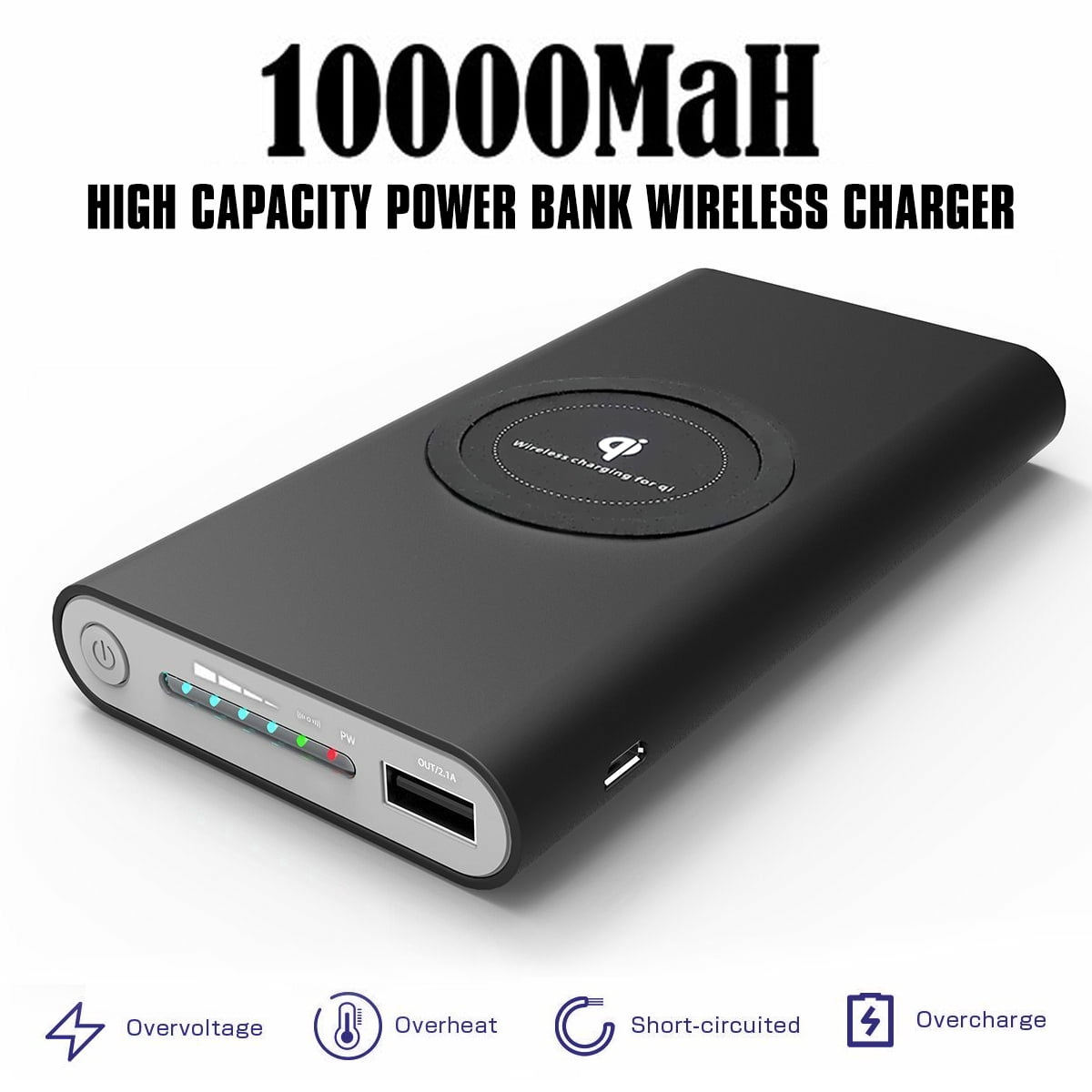
Wireless charging is an innovative technology that allows devices to charge without the need for cables or physical connectors. This process utilizes electromagnetic fields to transfer energy between a charging pad and a device equipped with a compatible receiver. When a device, such as a smartphone or a smartwatch, is placed on the charging pad, an alternating current is passed through a coil within the pad, creating a magnetic field. This magnetic field then induces an electric current in a coil within the device, effectively charging the battery.
The two main standards for wireless charging are Qi and Powermat (PMA). Qi is the most widely adopted standard, supported by many major smartphone manufacturers. The charging process involves several key steps:
- Transmission of energy through the primary coil in the charging pad.
- Induction of an electrical current in the secondary coil within the device.
- Conversion of that current to a usable form for the device's battery.
Counter-Strike is a popular multiplayer first-person shooter game that has captured the attention of gamers worldwide. Players join either the terrorist or counter-terrorist team and engage in various scenarios like bomb defusal and hostage rescue. Its strategic gameplay and team dynamics have made it a staple in the esports community, with numerous tournaments and a dedicated following. For gamers looking for accessories, check out our Top 10 Thin Silicone Cases for AirPods to enhance your gaming experience.
The Benefits of Wireless Charging: Convenience, Efficiency, and More
Wireless charging has transformed the way we power our devices, offering unparalleled convenience for users in today's fast-paced world. One of the most significant advantages of this technology is the ability to charge your smartphone or other devices simply by placing them on a compatible charging pad. There’s no need to fiddle with cables or connectors, making the process more seamless and organized. As a result, you can say goodbye to the hassle of tangled wires, and create a cleaner, more efficient workspace.
Beyond convenience, wireless charging also promotes efficiency. Many devices now support fast wireless charging, allowing for quicker power-ups without needing to plug in. Additionally, as technology progresses, you can expect even higher charging speeds and enhanced compatibility. The environmental benefits should not be overlooked either; by reducing wear and tear on ports, devices may last longer, decreasing electronic waste. In short, embracing wireless charging not only caters to your modern lifestyle but also contributes positively to the planet.
Is Wireless Charging Safe? Debunking Myths and Addressing Concerns
Wireless charging has gained popularity over recent years, but many users still question its safety. One prevalent myth is that wireless charging can cause overheating, which may lead to damage to your device. In reality, reputable wireless charging pads are designed with built-in safety features, such as automatic shutoff and temperature control, ensuring that your device remains cool during the charging process. Moreover, manufacturers follow strict guidelines to meet safety standards, reducing the chances of overheating or other safety hazards.
An additional concern often arises from the perception that wireless charging can harm battery life. While it's true that frequent charging methods can impact battery longevity, studies have shown that wireless charging is no more detrimental than traditional wired charging. It's important to note that using high-quality chargers also plays a crucial role. To optimize battery health, experts recommend avoiding the use of cheap or counterfeit charging pads and maintaining your device's software updated to ensure it's optimized for wireless charging efficiency.