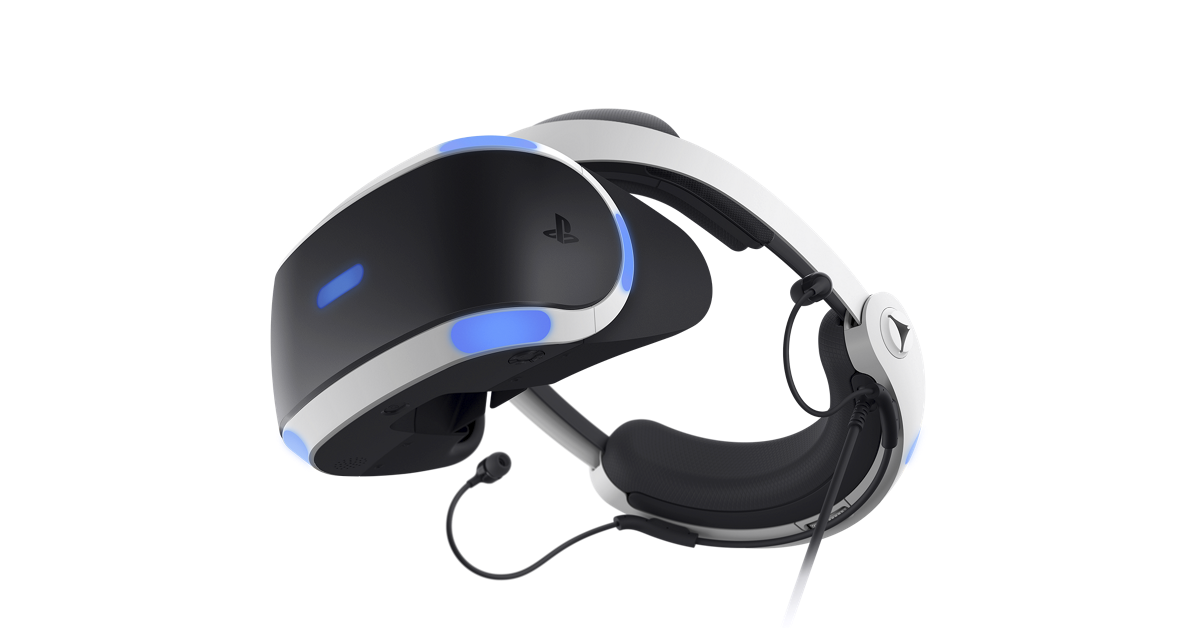
Exploring the Impact of VR on Mental Health: Can Virtual Reality Improve Well-Being?
Virtual Reality (VR) has emerged as a transformative technology not only in the realms of gaming and entertainment but also in the field of mental health. By immersing users in realistic environments, VR applications are being developed to help individuals cope with various psychological challenges. For instance, exposure therapy for conditions like PTSD or phobias can benefit immensely from VR, allowing patients to confront their fears in a controlled and safe setting. Studies have indicated that this form of therapy can lead to significant improvements in anxiety levels and overall well-being.
Moreover, VR experiences designed specifically for relaxation and mindfulness are gaining popularity as tools for enhancing mental well-being. These experiences often include guided meditations set in serene virtual landscapes, helping users to reduce stress and cultivate a sense of peace. According to recent research, regular engagement with VR mindfulness sessions can lead to a marked decrease in symptoms of depression and anxiety. As the technology continues to evolve, the potential for VR to positively influence mental health seems limitless, paving the way for new, innovative therapeutic approaches.
Counter-Strike is a popular multiplayer first-person shooter game that has gained a massive following since its initial release in 1999. Players engage in team-based gameplay where they can choose to fight as terrorists or counter-terrorists. The strategic gameplay and emphasis on teamwork have made it a staple in competitive gaming. For those interested in enhancing their gaming experience, check out the Top 10 apple vision pro accessories.
How VR is Transforming Everyday Experiences: From Shopping to Socializing
Virtual Reality (VR) is revolutionizing the way we engage in everyday activities, providing immersive experiences that enhance interactions in various spheres of life. In the realm of shopping, VR allows consumers to explore virtual stores and try on products from the comfort of their homes. Retailers are adopting this technology to create interactive showrooms where customers can visualize how items fit into their lives. For instance, virtual fitting rooms enable users to see how clothes look on them without leaving their homes, thus streamlining the decision-making process and minimizing return rates.
In addition to shopping, socializing is another area where VR is making a significant impact. Virtual platforms are emerging that allow individuals to meet and communicate in shared digital spaces, breaking the barriers of distance. Through virtual gatherings, users can host events, attend concerts, or simply hang out with friends in a 3D environment that replicates the feeling of being together. These experiences foster connections in ways traditional video calls cannot match, providing a sense of presence and engagement that enriches our interactions.
Is Virtual Reality the Future of Education? Innovative Applications in Learning
As technology continues to evolve, virtual reality (VR) is emerging as a groundbreaking tool in the field of education. With its ability to create immersive learning experiences, VR offers students the opportunity to engage with content in ways that traditional teaching methods cannot match. For example, subjects like history and science can be brought to life through virtual field trips to ancient civilizations or interactive simulations of complex scientific phenomena. This hands-on approach not only enhances understanding but also increases retention rates, making lessons more memorable.
Moreover, the applications of VR in education are vast and varied. Innovative applications include everything from medical training simulations for future doctors to language immersion programs that transport students to different cultural settings. In higher education, professors are using VR to provide students with realistic, practical experience in their respective fields. As these technologies become more accessible, we can expect to see a significant shift in pedagogical practices. Educators who embrace virtual reality could ultimately redefine the landscape of learning for future generations.