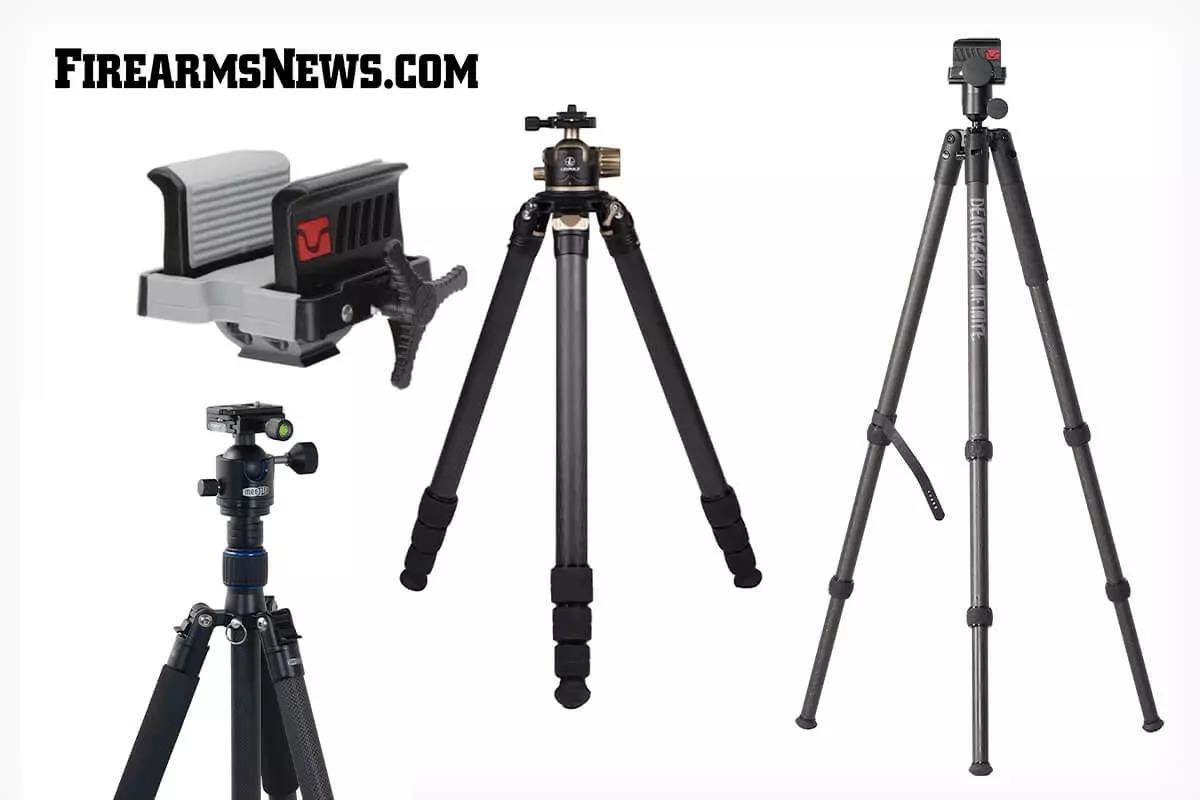
How to Choose the Right Tripod for Your Photography Style
Choosing the right tripod for your photography style is crucial for achieving stability and sharpness in your images. Start by considering the weight and portability of the tripod. For landscape photographers who trek into remote areas, a lightweight, compact tripod made from aluminum or carbon fiber may be ideal. On the other hand, if you're a studio photographer who rarely moves your equipment, a more robust and heavier tripod can provide the stability you need for long exposure shots. Don't forget to check the load capacity to ensure it can support your camera gear effectively.
Next, evaluate the height and adjustability features of the tripod. Many models come with multiple leg sections that can be extended or retracted to suit your shooting position. For macro photography, a tripod with a low minimum height allows for more flexibility in positioning your camera close to the ground. Additionally, consider tripods with ball heads or pan-tilt heads that provide ease of adjustment, enabling you to quickly switch angles and compositions while on location. Ultimately, understanding your specific photography needs will guide you in selecting the most suitable tripod.
Counter-Strike is a series of multiplayer first-person shooter video games that has become a cornerstone of competitive gaming. Players assume the role of terrorists or counter-terrorists and engage in various objective-based game modes. The game has evolved significantly over the years, with top 10 iPhone video accessories enhancing the gaming experience for players on the go.
10 Essential Tips for Using a Tripod to Enhance Your Photos
Using a tripod can significantly enhance your photography by providing stability and precision. Here are 10 essential tips to help you make the most of your tripod:
- Choose the Right Tripod: Ensure that your tripod is sturdy enough to support your camera and lens weight. Lightweight tripods may be convenient for travel, but they often lack the stability needed for sharp images.
- Adjust the Height: Set the tripod at eye level or the desired height to avoid awkward angles and ensure a comfortable shooting position.
- Use a Remote Shutter Release: To eliminate any camera shake caused by pressing the shutter button, consider using a remote shutter release or your camera’s timer function.
- Level the Tripod: Always use a bubble level or the built-in level of your tripod to keep your shots straight and balanced, which is especially important for landscapes and architectural photography.
When composing your shots, remember these additional tips:
- Utilize Tripod Features: Many tripods come with adjustable legs and ball heads, allowing for versatile angles. Experiment with these features to achieve creative compositions.
- Avoid Wind and Vibrations: Try to find a stable spot away from strong winds, and avoid placing the tripod on unstable surfaces. You can also weigh down your tripod with a bag or sandbag to minimize vibrations.
- Mind the Environment: Be aware of your surroundings and how they can influence your photography. Look for interesting foreground elements to add depth to your images.
- Practice Patience: Take your time to adjust your settings and compose your shot. A tripod allows for longer exposure times, so don’t rush your photography process.
- Review and Adjust: After capturing an image, review it and make adjustments as needed. With a tripod, you can experiment without the hassle of repositioning yourself constantly.
Do You Really Need a Tripod? Debunking Common Myths About Tripod Use
When it comes to photography, the question of whether you really need a tripod often arises, especially among beginners. Many believe that tripods are only necessary for long exposure shots or in low light conditions, but this is a myth. In reality, using a tripod can significantly enhance your creative possibilities, allowing for stability in various situations, including landscapes, portraits, and macro photography. This device can help eliminate camera shake, resulting in sharper images even in well-lit environments.
Another common misconception is that owning a tripod is cumbersome and impractical. However, modern tripods come in a range of sizes and weights, making them more portable than ever. Many are designed for easy setup and convenience, making them valuable tools for both professionals and amateurs. Whether you’re shooting in a bustling city or capturing serene landscapes, a tripod can provide you with the stability and consistency needed to elevate your photography game.