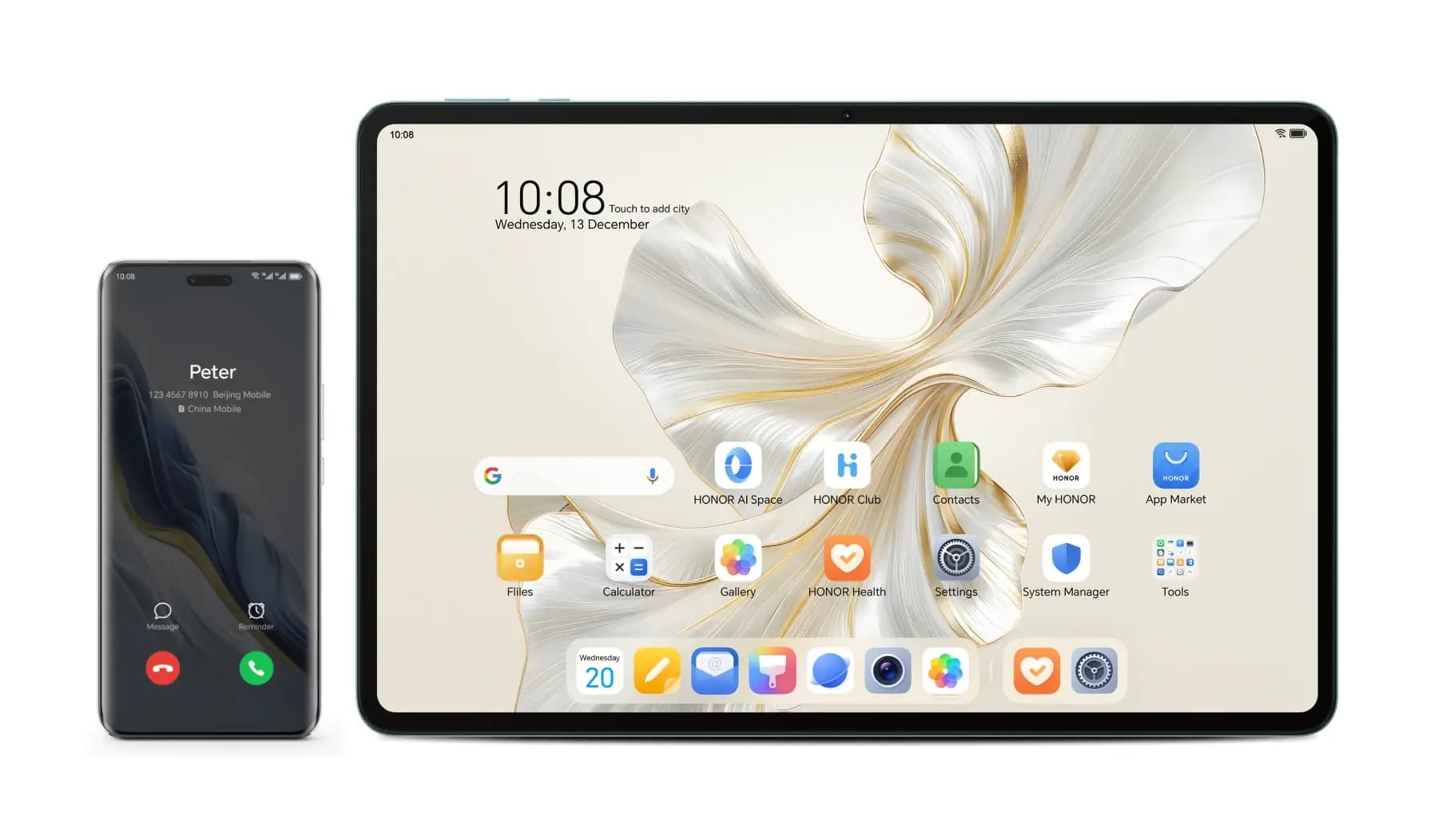
Why Tablets Are the Ultimate Multi-Tasking Devices for Everyone
In today's fast-paced world, tablets have emerged as the ultimate multi-tasking devices, appealing to a wide range of users from students to professionals. Their portability, combined with powerful performance, enables individuals to handle various tasks seamlessly. Whether you're taking handwritten notes during a lecture, sketching creative ideas, or diving into a video conference while on the go, tablets provide the flexibility that laptops and smartphones often lack. With a plethora of apps designed for productivity, entertainment, and creativity, a tablet can transform from a powerful workspace into a medium for leisure in just a matter of seconds.
Furthermore, the user-friendly interfaces of modern tablets make them accessible for all ages. Parents can use tablets to monitor their children's educational progress while enjoying their favorite shows. Meanwhile, professionals can manage their emails, attend virtual meetings, and even edit documents—all from the same device. With features like split-screen multitasking and cloud synchronization, users can easily juggle multiple tasks without losing their focus. Thus, it’s clear that tablets cater to the needs of everyone, solidifying their position as the ultimate multi-tasking devices in a digital age.
Counter-Strike is a highly tactical first-person shooter that has captivated gamers worldwide since its initial release in 1999. Players compete in teams, taking on the roles of terrorists or counter-terrorists, striving to accomplish specific mission objectives. The game is known for its strategic depth and has spawned several popular versions, enhancing its legacy in the esports arena. If you're looking to enhance your gaming setup, consider checking out the Top 10 Lightweight Slim iPad Cases.
5 Features That Make Tablets the Best On-the-Go Entertainment Systems
Tablets have revolutionized the way we consume entertainment, particularly when we're on the move. One of the standout features that make them the best on-the-go entertainment systems is their incredible portability. Unlike bulkier laptops or desktop computers, tablets are lightweight and compact, easily fitting into a backpack or even a large purse. This makes them ideal companions for long commutes, flights, or even lounging at a park. Additionally, the availability of streaming services and apps optimized for tablets means that users can enjoy a wide array of movies, TV shows, and games right at their fingertips.
Another remarkable feature is the versatility of tablets when it comes to content consumption. Equipped with vibrant touch screens, they offer an immersive experience that enhances viewing pleasure. In addition, many tablets boast impressive battery life, allowing users to binge-watch their favorite series or play games without the constant worry of recharging. With features like multi-user support and high-resolution displays, tablets cater to diverse entertainment needs, making them the ultimate choice for individuals and families alike. Whether you're an avid reader, a movie buff, or a casual gamer, tablets provide an exceptional on-the-go entertainment solution.
Are Tablets the Future of Personal Computing? A Deep Dive
As technology continues to evolve, many are left wondering, are tablets the future of personal computing? With their lightweight design, portability, and versatility, tablets have rapidly gained popularity among users who seek a convenient alternative to traditional computers. Unlike standard laptops, tablets offer seamless touch interfaces, longer battery life, and access to a plethora of applications tailored for both personal and professional use. As more businesses adopt mobile-first strategies, the role of tablets in everyday computing becomes increasingly relevant, allowing users to perform complex tasks on devices that easily fit into their backpacks.
However, while tablets offer numerous advantages, they also come with limitations. For example, the lack of a full operating system and a physical keyboard can hinder productivity for users accustomed to traditional computing methods. Furthermore, the future of personal computing may not be solely dominated by tablets; hybrid devices that combine tablet functionality with the robustness of laptops, such as 2-in-1 models, are gaining traction in the market. As we delve deeper into this discussion, it becomes clear that the future may not be a single device, but rather a blend of technologies, where tablets play a significant, albeit complementary, role in personal computing.