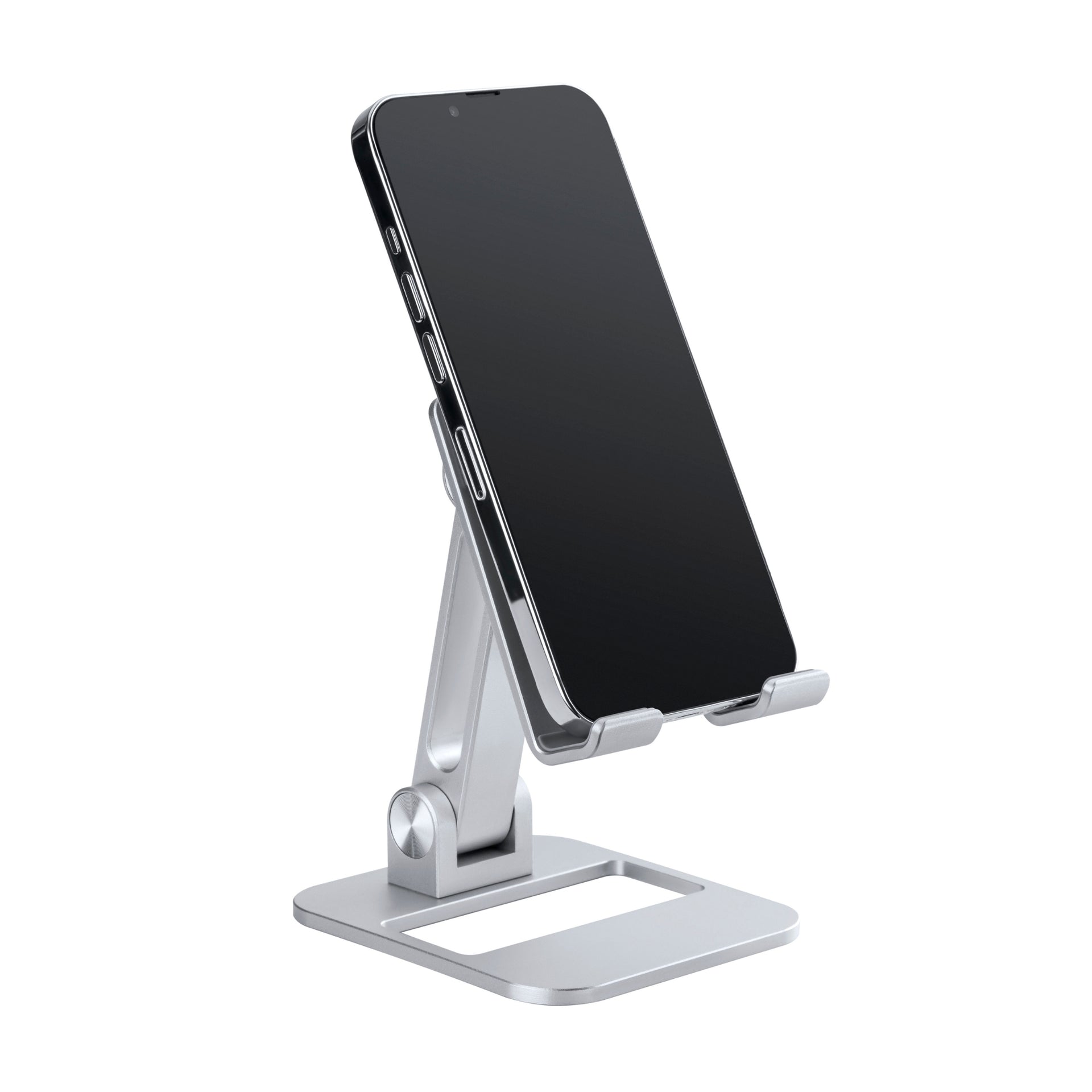
Exploring the Benefits of Hands-Free Living: How Phone Holders Enhance Your Daily Routine
In today's fast-paced world, hands-free living has become more than just a convenience; it has evolved into a necessity. Utilizing phone holders can significantly enhance your daily routine by allowing you to multitask without compromising on productivity. Whether you're cooking, working out, or even driving, hands-free phone holders provide the freedom to keep your phone accessible while keeping your hands free for other tasks. Imagine being able to follow a recipe on your phone while chopping vegetables or taking important calls during a workout, all without having to fumble with your device.
Moreover, the benefits of hands-free living extend to improving your overall well-being. By using a phone holder, you can maintain better posture while using your device, reducing the strain on your neck and eyes that often comes with awkward phone angles. Additionally, reducing the time spent awkwardly holding your phone can lead to fewer distractions, allowing you to focus on the tasks at hand. Embracing hands-free technology not only streamlines your daily activities but also promotes a more balanced lifestyle, making it a worthy investment for anyone looking to enhance their routine.
Counter-Strike is a popular tactical first-person shooter that has gained a massive following since its release. Players take on the roles of either terrorists or counter-terrorists, engaging in fast-paced and strategic gameplay. To enhance your gaming experience, check out these Top 10 One Hand Grips for iPhone that can help improve your aiming with mobile devices.
The Evolution of Phone Holders: From Basic to Innovative Hands-Free Solutions
The history of phone holders reflects the rapid evolution of mobile technology and user needs. Initially, phone holders were simple, utilitarian designs that served just one purpose: to hold devices securely in place. These basic solutions, often made from plastic or rubber, catered predominantly to car users, ensuring that their devices were accessible while driving. Over time, as smartphones became ubiquitous, the demand for more versatile and innovative designs surged, leading to the emergence of various styles—like dashboard mounts, clip-on holders, and even suction cup attachments that could accommodate a range of device sizes and types.
Today, the landscape of hands-free solutions is filled with advanced and multifunctional phone holders that go beyond mere support. Innovations such as magnetic mounts, adjustable arms, and even wireless charging capabilities have redefined user experience. For example, smartphone holders with built-in sensors automatically adjust to the phone's position, making them incredibly user-friendly and efficient. Furthermore, the integration of features like 360-degree rotation and weather-resistant materials highlights the ongoing commitment to enhancing usability and convenience. As technology continues to progress, we can expect even more revolutionary designs aimed at optimizing how we interact with our devices while keeping our hands free.
Do You Really Need a Phone Holder? The Impact of Hands-Free Technology on Productivity
In today's fast-paced world, the question of Do You Really Need a Phone Holder? often arises, especially as we become increasingly reliant on our smartphones for both personal and professional tasks. A phone holder can significantly enhance our ability to multitask while keeping our hands free for other critical activities. Whether it's during a video call, while following GPS directions, or when participating in a virtual meeting, hands-free technology can lead to greater productivity by allowing us to focus on the task at hand without the distractions of holding our devices. From adjustable mounts to magnetic holders, these tools can keep your phone secure and at an optimal viewing angle, ultimately contributing to a more organized workflow.
Furthermore, using a phone holder can reduce the strain on our neck and hands, making it a necessary accessory in our digital age. Investing in hands-free technology not only enhances convenience but also promotes better ergonomics, which can lead to a more sustainable work environment. Consider the benefits:
- Enhanced focus on essential tasks
- Reduced risk of physical strain
- Improved accessibility to information