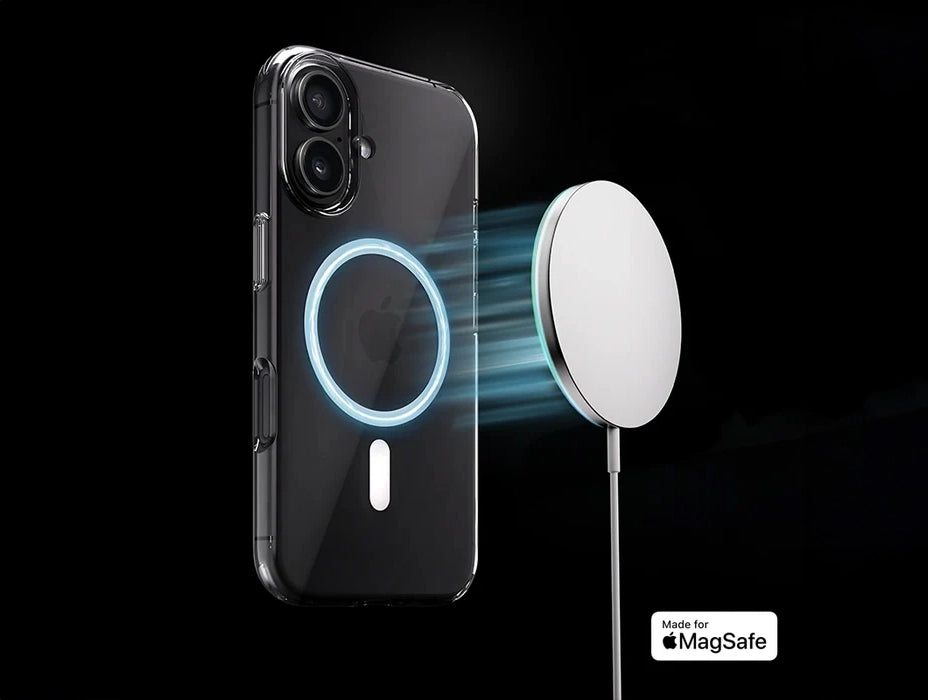
The Marvels of MagSafe: Revolutionizing Wireless Charging
The introduction of MagSafe technology has significantly transformed the landscape of wireless charging, especially within the realm of Apple products. Launched with the iPhone 12, MagSafe utilizes a series of magnets to create a secure connection between the device and its charger, ensuring optimal alignment and efficiency during the charging process. Unlike traditional wireless chargers, which often allow the phone to shift slightly out of place, MagSafe's magnetic attraction allows for a seamless experience, minimizing energy loss and improving charging speed. As a result, users can now enjoy a more reliable and effective means of keeping their devices powered up.
Beyond its primary function of charging, MagSafe has paved the way for a variety of innovative accessories. From magnetic wallets to versatile cases, the technology supports an ecosystem of products that enhance the user experience. The ability to easily attach and detach accessories promotes convenience and personalization, allowing users to tailor their devices to suit their lifestyles. With the ongoing advancement of this technology, we can expect even more groundbreaking applications in the future, solidifying MagSafe's position as a leader in the world of wireless charging solutions.
Counter-Strike is a highly competitive first-person shooter game that has captured the attention of gamers worldwide. It emphasizes teamwork and strategy, with players assuming the roles of either terrorists or counter-terrorists. As players engage in intense matches, they can also explore the latest technology, such as Top 10 magsafe chargers, to enhance their gaming experience.
How Does MagSafe Work? A Deep Dive into the Technology
MagSafe technology, originally developed by Apple, utilizes a system of magnets to facilitate wireless charging and accessory attachment. At its core, the technology features a series of magnets strategically positioned around the charging coil within devices like the iPhone and various accessories. When aligned properly, these magnets ensure a secure connection, enabling a seamless charging experience. The standardized charging protocol allows for faster power delivery, making the MagSafe system highly efficient compared to traditional wireless charging methods.
In addition to its charging capabilities, MagSafe enhances the versatility of compatible devices through a range of accessories, such as wallet attachments and cases. These accessories utilize the same magnetic alignment for easy attachment and detachment, providing users with a customizable experience. The technology goes beyond simple magnetism; it incorporates intelligent communication that ensures safety by preventing overheating and optimizing charging speeds. As Apple continues to innovate, MagSafe stands at the forefront of wireless technology, offering both convenience and functionality.
Are We Ready for a Wire-Free Future? Exploring MagSafe's Impact on Daily Life
The advent of MagSafe technology marks a significant stride toward a wire-free future, fundamentally altering how we interact with our devices. With its magnetic charging capability, MagSafe has streamlined the process of powering up our smartphones and accessories, minimizing the clutter of traditional cables that often create tangled messes. As more devices adopt this technology, we stand at the brink of a lifestyle that prioritizes convenience and efficiency, potentially reshaping our daily routines in ways we had never imagined. Are we ready to embrace this shift and all the accompanying changes in our digital habits?
Moreover, the impact of MagSafe extends beyond mere aesthetics; it opens the door to a myriad of innovative accessories designed for a wire-free world. From smart wallets that charge your phone on the go to wireless car mounts that keep our devices charged while navigating, the possibilities seem endless. As consumers, we must consider how this technology influences our dependency on devices and what a wire-free future would mean for our connected lifestyles. Are we prepared to adapt to this evolution in technology, or are there challenges we still need to address?