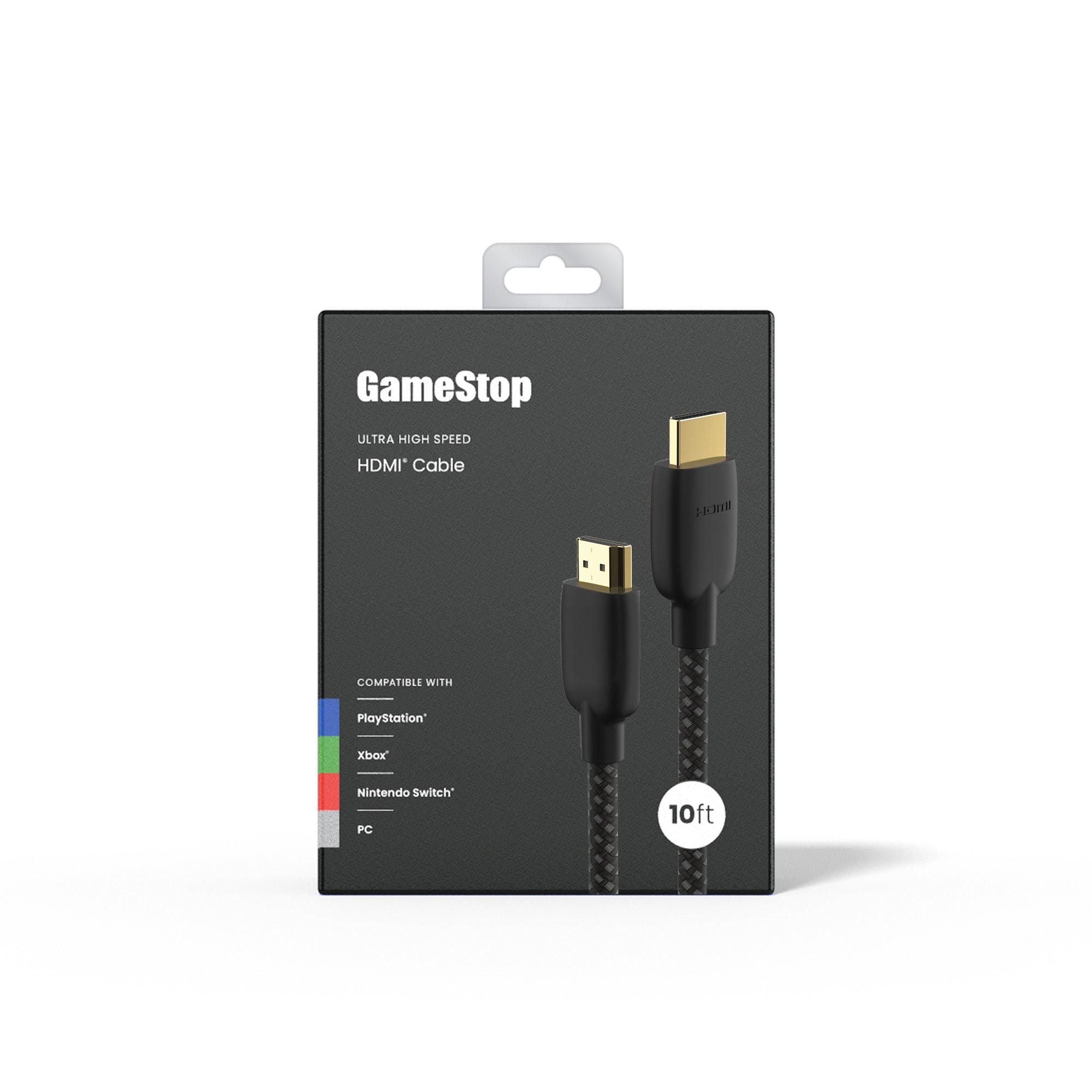
Understanding HDMI Cables: How They Bring Your Devices to Life
HDMI cables, or High-Definition Multimedia Interface cables, are essential components in the modern home entertainment setup. They serve as the lifeline connecting various devices such as televisions, laptops, gaming consoles, and sound systems. The primary function of an HDMI cable is to transmit both high-definition video and multi-channel audio signals from one device to another. This unified approach eliminates the need for multiple cables, allowing for a cleaner and more organized viewing experience. In addition, HDMI cables support a wide range of audio and video formats, making them incredibly versatile for different types of media consumption.
Understanding the specifications of HDMI cables is crucial for choosing the right one for your devices. There are different types, including Standard, High Speed, and Premium High Speed, each designed to support varying levels of video quality and bandwidth. For instance, High Speed HDMI cables support video resolutions up to 4K at 60Hz, which is vital for today’s ultra-high-definition devices. It’s also important to note that factors such as cable length and quality can impact signal integrity. When selecting an HDMI cable, consider the length you need and ensure it meets the latest HDMI standards to guarantee optimal performance.
Counter-Strike is a popular first-person shooter game that pits teams against each other in various objective-based scenarios. Players can choose to play as either terrorists or counter-terrorists, engaging in fast-paced combat that requires teamwork and strategy. For gamers looking to enhance their streaming experience, check out the Top 10 apple tv streaming accessories to improve their setup.
Common HDMI Cable Issues and How to Troubleshoot Them
HDMI cables are essential for transferring high-quality audio and video between devices, but they can sometimes be plagued by common issues. One frequent problem is the no signal error, which can occur due to loose connections, damaged cables, or incompatible devices. To troubleshoot, start by checking all connections to ensure they are secure. If everything looks good, consider testing the cable with a different device or replacing it entirely if you suspect it might be damaged.
Another common issue is intermittent audio or video loss. This can be frustrating, especially during critical moments, such as watching your favorite show or playing a game. To resolve this issue, try changing the HDMI port you are using, as sometimes ports can become faulty over time. Additionally, inspect the cable for any visible wear. If the problem persists, it may be worth updating device firmware or replacing the cable with a higher-quality option to ensure a stable connection.
Are All HDMI Cables Created Equal? A Deep Dive into Quality and Performance
When it comes to HDMI cables, a common question arises: Are all HDMI cables created equal? The short answer is no. While HDMI (High-Definition Multimedia Interface) may seem like a standardized technology, the reality is that there are significant differences in quality and performance among various cables. Factors such as build quality, materials used, and supported standards determine how well a particular HDMI cable will perform. For instance, cables that are rated for High-Speed HDMI have the capability to transmit 4K video at high frame rates, whereas standard cables may struggle with anything beyond basic HD resolutions.
Another critical aspect to consider is the length and environment of the cable. Longer HDMI cables can experience signal degradation, particularly if they surpass 25 feet. Premium cables often come with additional shielding and better internal construction, which can mitigate these effects. Furthermore, it’s important to note the differences in connectors; gold-plated connectors may provide better signal transfer and resistance to corrosion. Thus, investing in a quality HDMI cable can greatly enhance your viewing experience, proving that not all HDMI cables are equal, indeed.